

ห้องน้ำในตัว

 บ้าน / บล็อก / ข่าวอุตสาหกรรม / The Ultimate Guide to Choosing PVC Decorative Film: Smooth vs Embossing
ข่าวอุตสาหกรรม
The Ultimate Guide to Choosing PVC Decorative Film: Smooth vs Embossing
2026-04-15
Surface degradation represents one of the most frustrating challenges facing furniture manufacturers, interior designers, and homeowners today. Whether it is the unsightly scratches marring a beautiful kitchen cabinet finish, the wear patterns developing on high-traffic wall surfaces, or the abrasion damage compromising customized furniture aesthetics, traditional decorative materials often fail to withstand the demands of daily use. As a manufacturer specializing in protective surface solutions, we have developed anti-scratch PVC decorative film specifically engineered to eliminate these persistent problems while maintaining the visual elegance and tactile satisfaction that discerning customers demand.
The evolution of PVC decorative film technology has transformed how we approach interior surface protection. Early generation films prioritized either aesthetic appeal or durability, forcing designers to compromise on one aspect to achieve the other. Modern anti-scratch formulations represent a significant technological leap, combining the luxurious smoothness of soft-touch films with reinforced surface hardness that resists scratching, scuffing, and abrasion. This dual-capability approach makes our PVC decorative film particularly suitable for applications where both appearance longevity and tactile experience matter equally.
Understanding Anti-Scratch PVC Decorative Film Technology
The fundamental composition of anti-scratch PVC decorative film involves multiple layers working in concert to deliver both protection and aesthetics. The base layer consists of high-grade polyvinyl chloride formulated for flexibility and dimensional stability. This foundation receives specialized surface treatments that create a hardened outer layer without sacrificing the supple feel that characterizes premium decorative films.
The scratch-resistant properties emerge from advanced coating technologies that incorporate ceramic micro-particles or specialized polymer additives into the surface layer. These microscopic reinforcements create a harder surface that resists penetration by sharp objects while maintaining sufficient flexibility to prevent cracking or peeling under stress. The result is a protective film that withstands contact with keys, utensils, cleaning tools, and other common sources of surface damage.
Our manufacturing process employs precision calendering techniques that ensure consistent thickness and uniform surface properties across the entire film width. Quality control protocols test every production batch for scratch resistance using standardized abrasion testing equipment, ensuring that the anti-scratch performance meets specifications before shipment to customers.
Surface Texture Options and Applications
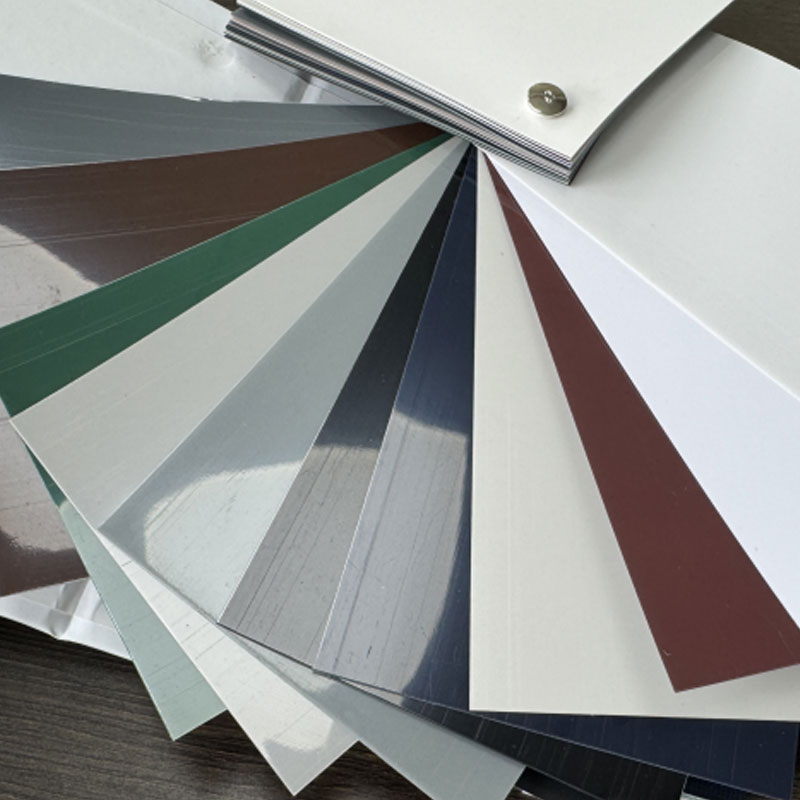
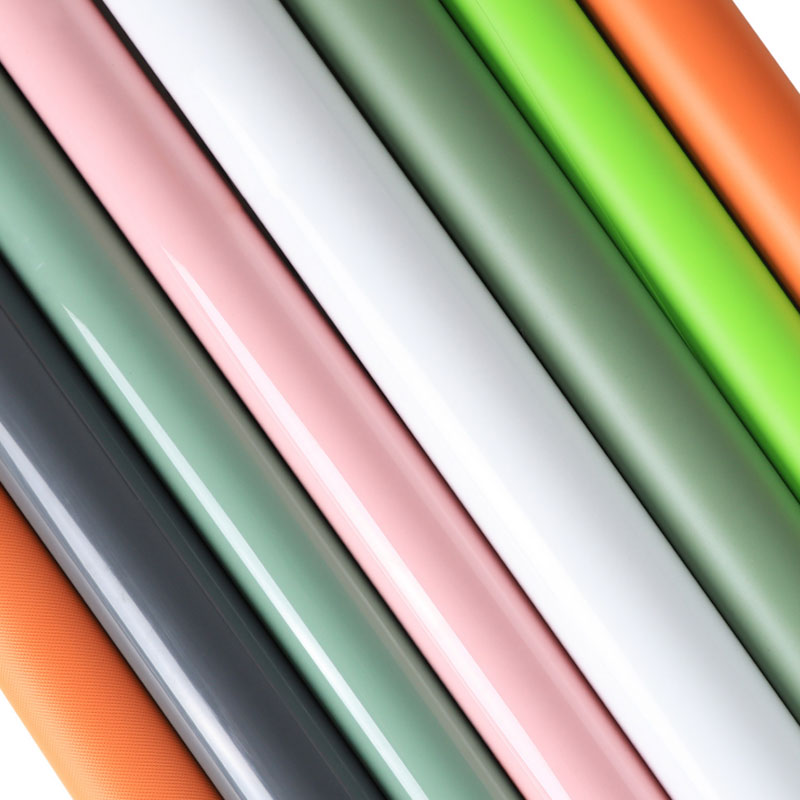
We offer two primary surface finishes to accommodate diverse design requirements. The smooth surface option delivers a sleek, contemporary appearance with a soft-touch feel that invites contact. This finish works exceptionally well for modern kitchen cabinets, minimalist furniture designs, and wall applications where subtle elegance is desired. The surface reflects light evenly, creating consistent color presentation across large areas.
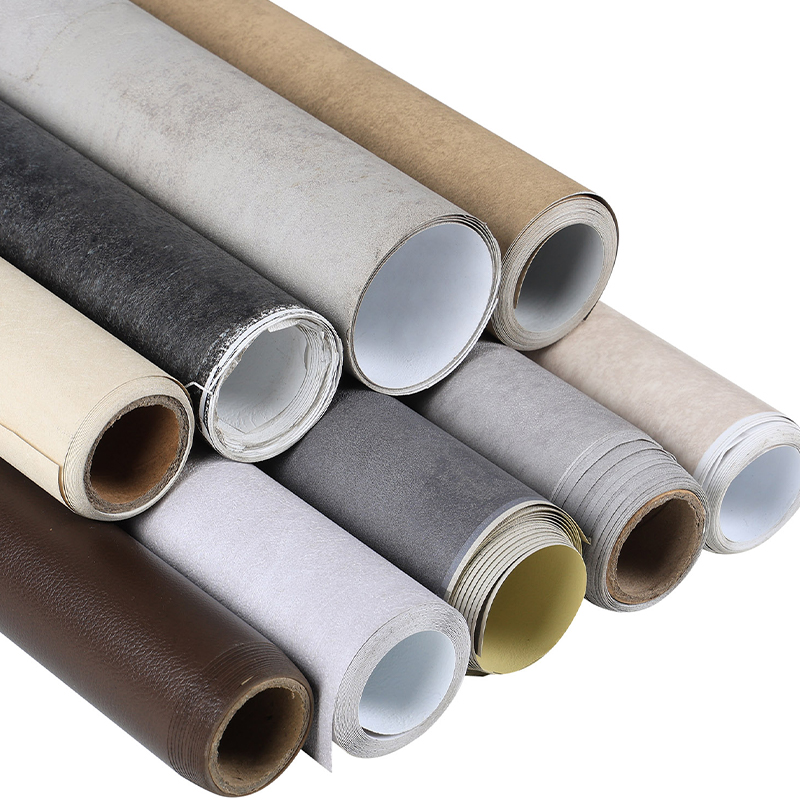
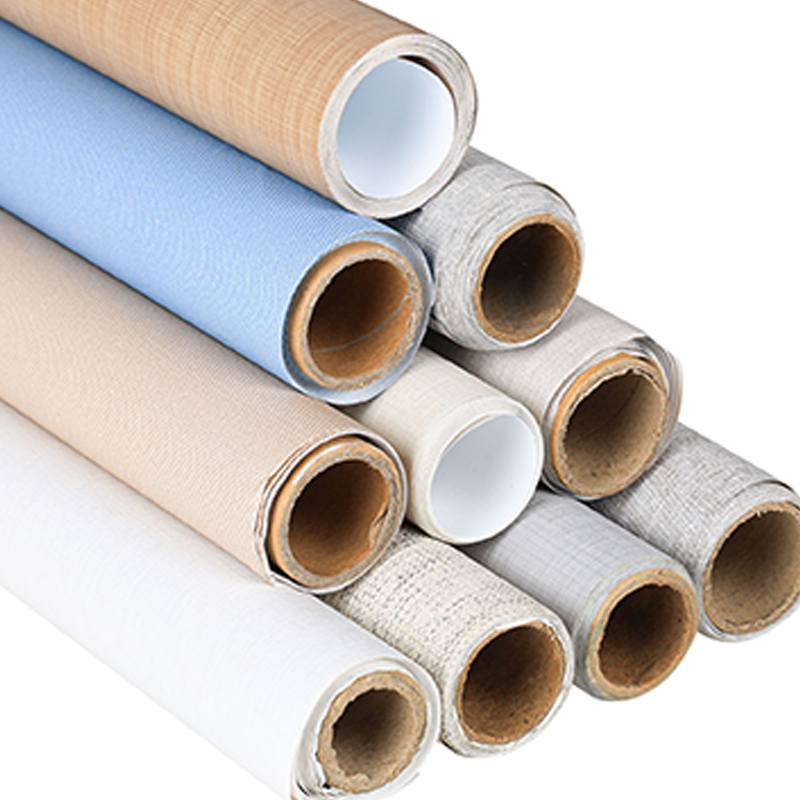
The embossing surface option provides textured patterns that add visual depth and tactile interest to finished products. These textures range from subtle wood grain simulations to more pronounced geometric patterns, each offering distinct aesthetic characteristics. Embossed finishes prove particularly effective for concealing minor surface imperfections on substrate materials while adding slip resistance to horizontal surfaces.
Applications in Furniture Manufacturing
Customized furniture production demands materials that balance manufacturing efficiency with end-user satisfaction. Anti-scratch PVC decorative film addresses both requirements effectively. The thermoforming capability of our films allows furniture manufacturers to apply decorative surfaces to complex three-dimensional shapes including curved cabinet doors, rounded table edges, and molded panel details.
The adhesive systems formulated for our PVC decorative film ensure strong bonding to common furniture substrates including MDF, particleboard, plywood, and metal surfaces. This versatility eliminates the need for manufacturers to maintain multiple decorative material inventories. The application process requires standard woodworking equipment, reducing capital investment requirements for businesses transitioning from traditional finishing methods.
For high-use furniture pieces such as dining tables, office desks, and storage cabinets, the anti-scratch properties prove particularly valuable. Daily contact with plates, writing instruments, files, and decorative objects that would damage conventional surfaces leave no visible marks on properly applied film. This durability extends furniture lifespan and maintains resale value for consumers.
Kitchen Cabinet Protection Solutions
Kitchen environments present unique challenges for surface materials. Cabinet surfaces face constant exposure to moisture, heat, cleaning chemicals, and mechanical abrasion from cooking activities. Our anti-scratch PVC decorative film withstands these conditions while maintaining appearance and functionality over years of intensive use.
The moisture-resistant properties of PVC prevent water penetration that causes warping, swelling, or delamination in traditional wood veneer or laminate materials. This characteristic proves especially important for sink base cabinets and areas near cooking appliances where humidity levels fluctuate significantly. The non-porous surface also resists staining from food spills, oils, and common kitchen substances.
Scratch resistance becomes critical in kitchen applications where utensils, cookware, and cleaning tools regularly contact cabinet surfaces. Our film maintains flawless appearance despite repeated contact with metal objects, abrasive sponges, and scraping movements that would mar conventional painted or varnished finishes. This durability reduces maintenance requirements and keeps kitchens looking pristine with minimal effort.
Wall Surface Applications and Benefits
Interior wall treatments using PVC decorative film offer advantages over traditional paint, wallpaper, or paneling systems. The material provides a protective barrier that prevents damage to underlying wall structures while offering unlimited design possibilities through printed patterns and color options. Commercial spaces particularly benefit from the durability and easy maintenance characteristics of film-covered walls.
High-traffic corridors, retail environments, and hospitality settings experience constant contact with people, luggage, cleaning equipment, and mobile furniture. Walls finished with anti-scratch PVC decorative film resist the scuff marks, abrasions, and impact damage that quickly degrade painted surfaces. When cleaning becomes necessary, the film withstands aggressive cleaning agents and scrubbing without color fading or surface deterioration.
Installation efficiency represents another significant advantage for wall applications. Large wall areas can be covered quickly using continuous film rolls, eliminating the seams and pattern matching challenges associated with wallpaper. The dry installation process requires no drying time, allowing immediate use of finished spaces and reducing project timelines for renovation work.
Performance Comparison with Alternative Materials
| Property | Anti-Scratch PVC Film | Traditional Laminate | Wood Veneer |
| Scratch Resistance | Excellent | Moderate | Poor |
| Moisture Resistance | Excellent | Good | Poor |
| Application Flexibility | High | Moderate | Low |
| Cost Efficiency | High | Moderate | Low |
| Maintenance Requirements | Minimal | Moderate | High |
Installation Best Practices and Quality Assurance
Achieving optimal results with anti-scratch PVC decorative film requires attention to proper installation techniques. Surface preparation constitutes the most critical factor determining long-term performance. Substrates must be clean, dry, and free from contaminants that could interfere with adhesive bonding. Sanding sealed edges and removing dust particles prevents visible imperfections in the finished appearance.
Temperature conditions during application affect film flexibility and adhesive activation. Working in environments between 18°C and 25°C provides ideal conditions for most applications. Cold temperatures reduce film pliability, making complex curves difficult to form, while excessive heat can activate adhesives prematurely or cause stretching that creates distortion.
Application technique involves gradual contact using squeegees or rollers to eliminate air bubbles and ensure complete substrate contact. Sharp corners and edges require particular attention, as these high-stress areas experience the most mechanical strain during use. Proper technique at these points prevents lifting or peeling that would compromise both appearance and protection.
Long-Term Care and Maintenance Guidelines
Maintaining surfaces covered with PVC decorative film requires minimal effort compared to traditional finishes. Regular dusting with soft microfiber cloths removes particulate matter that could cause scratching if dragged across the surface. For more thorough cleaning, mild soap solutions or specialized vinyl cleaners effectively remove fingerprints, grease, and common household soils without damaging the protective surface layer.
Avoiding abrasive cleaning tools preserves the anti-scratch coating integrity. Steel wool, scouring pads, and gritty cleaners should never contact film surfaces despite their scratch-resistant properties. While the film withstands considerable abuse, proper care ensures decades of service life and maintains the original appearance that justified the initial investment.
The combination of superior protection, aesthetic versatility, and application convenience makes anti-scratch PVC decorative film the optimal choice for demanding interior applications. Whether protecting valuable kitchen cabinetry, enhancing customized furniture, or creating durable wall finishes, this advanced material delivers lasting performance that traditional decorative options cannot match. By solving the persistent problem of surface wear during the use process, our PVC decorative film enables beautiful interiors that maintain their appeal through years of daily use.
บทความแนะนำ
-
1.1 ฟิล์มตกแต่ง PP คืออะไร? ฟิล์มตกแต่ง PP เป็นวัสดุพื้นผิวประเภทหนึ่งที่ผลิตจากโพลีโพรพีลีนเป็นหลัก ซึ่งเป็นโพลีโพรพีลีนเทอร์โมพลาสติกอเนกประสงค์และใช้กันอย่างแพร่หลาย...
ดูเพิ่มเติม -
เฟอร์นิเจอร์ของคุณดูโทรม ล้าสมัย หรือชำรุดหรือไม่? ลองจินตนาการถึงการเปลี่ยนมันให้กลายเป็นสิ่งที่สวยงาม ทนทาน และมีเอกลักษณ์เฉพาะตัวของคุณได้อย่างง่ายดาย เข้างานตกแต่ง PVC...
ดูเพิ่มเติม -
1.บทนำ การรัดขอบเป็นกระบวนการตกแต่งขั้นสุดท้ายที่สำคัญซึ่งใช้ในการผลิตงานไม้และเฟอร์นิเจอร์เพื่อปิดและปิดผนึกด้านที่เปิดโล่งของวัสดุ เช่น...
ดูเพิ่มเติม
ซวนยี่
โปรดติดต่อเรา
Xuanyi ทุ่มเทให้กับการประยุกต์ใช้และการวิจัยและ การพัฒนาวัสดุใหม่ ผู้ผลิตฟิล์มตกแต่งเฟอร์นิเจอร์ และโรงงาน.
ลิงค์ด่วนผลิตภัณฑ์
ข้อมูลการติดต่อ
-
 ห้อง G ชั้น 4 อาคาร Bailingshi ถนน Haizhou เมืองไห่หนิง เมืองเจียซิง จังหวัดเจ้อเจียง 314400 จีน
-
 [email protected]
-
 +86-15059290610
-
 +86-15059290610
ลิขสิทธิ์ © 2024Jiaxing Xuanyi การค้าระหว่างประเทศจำกัด สงวนลิขสิทธิ์. PVC/PP/PET Lamination Film for MDF WPC Plywood

